Introduction: Starting a Rwandan Journey in the Capital
Perched across a series of green hills, Kigali is Rwanda’s calm, tidy and well-connected capital. Most travelers land here, spend a night or two and then head out toward the volcanoes, Lake Kivu, Nyungwe or Akagera. Because so many routes begin in Kigali, car rental in Kigali is often the first practical decision of the trip.
This guide takes a traveler-timeline approach. It follows the experience from the moment you start comparing options to the day you return the keys, with advice on matching a rental to your plans, handling your first hours behind the wheel and avoiding the mistakes that cost visitors time and money.
Who Benefits Most from Car Rental in Kigali?
Different travelers have different needs, so it helps to see where you fit.
First-time visitors on a short trip. If you have only a few days and a gorilla trek booked, a vehicle with a driver removes stress and keeps your schedule tight.
Families and small groups. One shared vehicle is often more economical and convenient than several taxis or separate transfers, especially with children and luggage.
Independent road-trippers. Confident drivers who want to stop where they please will enjoy the freedom of self-drive.
Business travelers. Meetings across Kigali and day trips to nearby towns are easier with a reliable car and, if you prefer, a driver who knows the city.
Photographers and nature lovers. Early starts and flexible stops matter, so having a vehicle on your own timetable is a real advantage.
If you are staying only in central Kigali for a few days, taxis and ride-hailing apps may be simpler and cheaper.
Types of Car Rental in Kigali
Self-drive rental. You collect the vehicle, sign the agreement and drive yourself. Expect a security deposit, a check of your licence and clear rules on fuel and mileage.
Chauffeur-driven rental. A professional local driver comes with the vehicle, usually on a daily basis. This is popular for park trips, airport transfers and visitors who prefer not to navigate.
Half-day and city-hire options. Some providers offer shorter hire periods for meetings, shopping or sightseeing around Kigali.
Airport transfer services. If all you need is a ride between the airport and your hotel, a transfer costs less than a multi-day rental.
Long-term rental. Residents, consultants and NGO staff sometimes arrange monthly rentals, which can lower the daily rate. Always check maintenance responsibilities and insurance terms.
Matching the Vehicle to Your Plans
Think about where the car will spend most of its time.
| Plan | Suggested vehicle | Why |
| Kigali city and nearby paved roads | Economy car or compact saloon | Easy to park and economical |
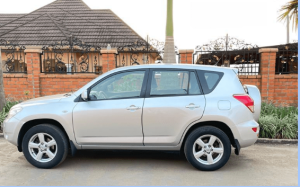
| Highway trips and light gravel | Compact SUV | Comfort, a higher seating position and moderate cost |
| Gorilla trekking and mixed terrain | Mid-size 4×4 | Better clearance and traction near trailheads |
| Akagera game drives | Safari 4×4 | High clearance, often with a pop-up roof |
| Large family or group | Minibus or two vehicles | Space for people and luggage |
If your plans change after arrival, ask whether the provider can swap vehicles. Flexibility is valuable, particularly in the rainy seasons.
Your First Day: From Airport to Hotel
Many visitors collect their vehicles at or near Kigali International Airport, and a smooth first day makes everything else easier.
- Confirm pick-up details a few days before arrival, including flight number and meeting point.
- Allow a buffer if you land late at night or after a long flight. Many travelers prefer to take a transfer to their hotel and collect the rental the next morning.
- Inspect the vehicle in good light. Photograph existing marks and check the spare wheel, jack and tools.
- Set up navigation with offline maps before leaving the airport area.
- Drive carefully on the first journey, since the city is hilly and moto-taxis are common.
Navigating Kigali by Car
Rwanda drives on the right-hand side, and Kigali’s traffic is generally orderly. A few practical points:
- Hills and descents. Use lower gears downhill rather than relying only on the brakes.
- Moto-taxis. They stop and turn quickly, so keep a generous gap and check mirrors often.
- Rush hours. Early morning and late afternoon traffic builds on main roads, so plan departures accordingly.
- Speed limits. They are enforced with cameras and police checks, and are lower in urban areas.
- Parking. Use designated bays or secure hotel parking, and avoid leaving valuables visible.
- Seat belts are mandatory for all occupants.
- Pedestrians. Give way at crossings and slow near markets and schools.
- Plastic bags. Single-use bags are restricted in Rwanda, so avoid carrying them.
Documents and Eligibility
Requirements vary by provider and can change, so always confirm directly. Commonly requested items include:
- Passport and visa or entry authorization
- Valid driving licence from your home country
- International Driving Permit, recommended and sometimes requested by providers or police
- A payment card for the deposit
- A minimum driver age, which varies by company
- Names of every additional driver for the agreement
Insurance: Questions Worth Asking
Insurance is where misunderstandings most often happen. Ask your provider to put these answers in writing:
- Which damages are covered: collision, theft, third-party liability, tyres and windscreen?
- What is the excess you would pay after an incident?
- Does cover apply on unpaved roads and in national parks?
- What is excluded, such as undeclared drivers or night driving?
- Who do you call after an accident or breakdown, and is a police report required?
Check whether your travel insurance or credit card adds rental cover, and read the exclusions carefully.
Comparing Quotes Fairly
Cheap headline prices can hide extras. When requesting quotes, ask each provider to itemize:
- Daily rate and total for your dates
- Taxes and fees
- Driver cost and any accommodation or meal allowance
- Mileage limit or unlimited mileage
- Insurance level and excess
- Deposit amount and refund timing
- Fuel policy
- Pick-up and return fees, including late-night charges
- Extras such as child seats or GPS
Compare totals rather than daily rates, and prefer providers who answer clearly and put everything in writing.
What Affects the Price
Rates in Kigali move with vehicle class, season, rental length, driver inclusion, mileage terms, insurance level and how early you book. The drier months are busiest, so popular 4x4s are scarce and pricier. Longer rentals often carry lower daily rates. Budget separately for fuel, parking, park vehicle fees and driver-related costs.
Popular Day and Overnight Trips from Kigali
Musanze and the volcanoes. Roughly two to three hours by road, with scenic farmland and mountain views.
Akagera National Park. An easy drive east followed by rough park tracks that suit a 4×4.
Lake Kivu. A winding, beautiful route west to Gisenyi, Kibuye or Cyangugu.
Nyungwe Forest. A longer southwestern journey, best split with an overnight stay.
Huye. A quieter cultural drive south, with museums and local markets.
Allow more time than maps suggest, since hills and villages slow average speeds. Avoid driving after dark.
Common Mistakes to Avoid
- Choosing a vehicle only by price, then discovering it cannot handle park roads.
- Skipping the pick-up inspection and photographs.
- Ignoring mileage caps on long routes.
- Assuming cross-border travel is allowed.
- Arriving late at night without confirming pick-up arrangements.
- Booking too late in the dry seasons.
- Not saving the breakdown number before leaving Kigali.
Returning the Vehicle
Return the car at the agreed time and place, refuel according to the policy and inspect it together with the provider, comparing against your pick-up photos. Hand back all accessories, ask for written confirmation of the vehicle’s condition and confirm when your deposit will be refunded.
Conclusion
Car rental in Kigali is simple when you plan it around your itinerary rather than around a price tag. Decide whether self-drive, a driver or a mix suits you, choose a vehicle that fits the terrain beyond the city and compare itemized quotes so you understand exactly what you are paying for. Inspect the vehicle carefully, keep everything in writing and give yourself generous time for hills, villages and traffic.
Kigali’s orderly roads and efficient services make it one of the easiest places in the region to begin a road trip. With good preparation, your rental becomes a reliable, flexible base for exploring Rwanda at your own pace.
Key Takeaways
- Match your rental style to your trip: self-drive, driver, airport transfer or long-term hire.
- Choose the vehicle based on where you will drive, not just the price.
- A 4×4 is recommended for Akagera, trailheads, rural lodges and wet-season travel.
- Confirm pick-up details and flight information in advance.
- Rwanda drives on the right; expect hills, moto-taxis and enforced speed limits.
- Compare itemized, all-inclusive quotes covering insurance, mileage, fuel and fees.
- Inspect and photograph the vehicle at pick-up and return.
- Avoid night driving and never assume cross-border travel is permitted.
Frequently Asked Questions (FAQ)
How do I arrange car rental in Kigali?
Contact providers with your dates and route, request written itemized quotes, confirm the vehicle and pick-up arrangements and pay the deposit through a traceable method.
Can I collect my rental at the airport?
Many providers offer airport pick-up or delivery. Confirm timing, location and fees in advance, especially for late arrivals.
Is Kigali safe to drive in?
Kigali is widely regarded as an orderly capital for driving. Take normal care around hills, moto-taxis and pedestrians, and avoid driving at night outside the city.
Should I choose self-drive or a driver?
Self-drive suits confident drivers who value independence. A driver is more relaxed, helpful for early starts and ideal for visitors unfamiliar with the region.
What documents do I need?
Usually a passport, valid driving licence, payment card for the deposit and, where advised, an International Driving Permit. Confirm current requirements with your provider.
Do I need a 4×4?
Not for Kigali or main paved roads. For Akagera, gorilla trekking areas, rural lodges and rainy-season travel, a 4×4 is safer and more comfortable.
What affects the cost of car rental in Kigali?
Vehicle class, season, rental length, driver inclusion, mileage terms, insurance level and booking date.
Can I rent a car for just a day in Kigali?
Many providers offer daily and sometimes half-day options. Confirm minimum rental periods and any restrictions.
Can I take a Kigali rental across the border?
Only with the provider’s written permission, the right paperwork and valid cross-border insurance. Uganda drives on the left.
What should I check when I collect the car?
Bodywork, tyres, spare wheel, jack, lights, wipers, fuel level and the breakdown contact number, with photographs of any existing damage.
